What Is Spiritual Awakening? A Beginner’s Guide
A spiritual awakening, in its simplest form, refers to a shift in awareness where you begin to see yourself, your life, and reality with deeper clarity. It’s like waking up from autopilot mode—you start noticing patterns in your thoughts, questioning old beliefs, and feeling a pull toward something more meaningful.
This is not a single dramatic event or instant enlightenment. Spiritual awakening is a gradual inner process that unfolds over time, often with phases of clarity mixed with confusion. Many people experience it as a subtle shift rather than a sudden change.
Common signs include greater self-awareness, a desire for purpose, questioning beliefs that once felt solid, and feeling more connected to the present moment. If you’re wondering how to know if you are spiritually awakening, these early indicators often serve as gentle pointers. The rest of this article walks through what spiritual awakening actually is, how the process unfolds, typical signs and stages, and how beginners can gently start their own path.
Spiritual Awakening Meaning: What is it?

Spiritual awakening describes a shift in consciousness where a person starts perceiving themselves, life, and reality with deeper clarity and meaning. Rather than moving through days on autopilot, you begin noticing the space between your thoughts and your reactions. This heightened awareness opens the door to self discovery and a profound sense of connection to something larger than your individual self.
When people search for spiritual awakening meaning, they’re often sensing that there’s more to existence than daily routines, social roles, and material concerns. This inner transformation involves recognizing that you are more than your automatic thoughts, habitual reactions, and the labels society has placed on you. As psychotherapist Daren Banarse describes it, awakening is recognizing that you are not your thoughts, emotions, or personal narrative—it marks a core expansion of conscious awareness.
Different traditions have named similar states throughout history. Buddhism speaks of bodhi (enlightenment) and nirvana. Christianity describes being “born again” or experiencing spiritual rebirth. Advaita Vedanta points to non-dual awareness where the self realizes unity with a greater whole. Indigenous shamanic traditions involve initiatory experiences revealing interconnected realities.
This guide takes a non-dogmatic, beginner-friendly approach. Spiritual awakening is an inner transformation—more self-awareness, compassion, and presence—not about adopting any specific religion or belief system. You don’t need to abandon your current worldview or join a particular group. The journey unfolds within you, meeting you exactly where you are.
The Spiritual Awakening Process
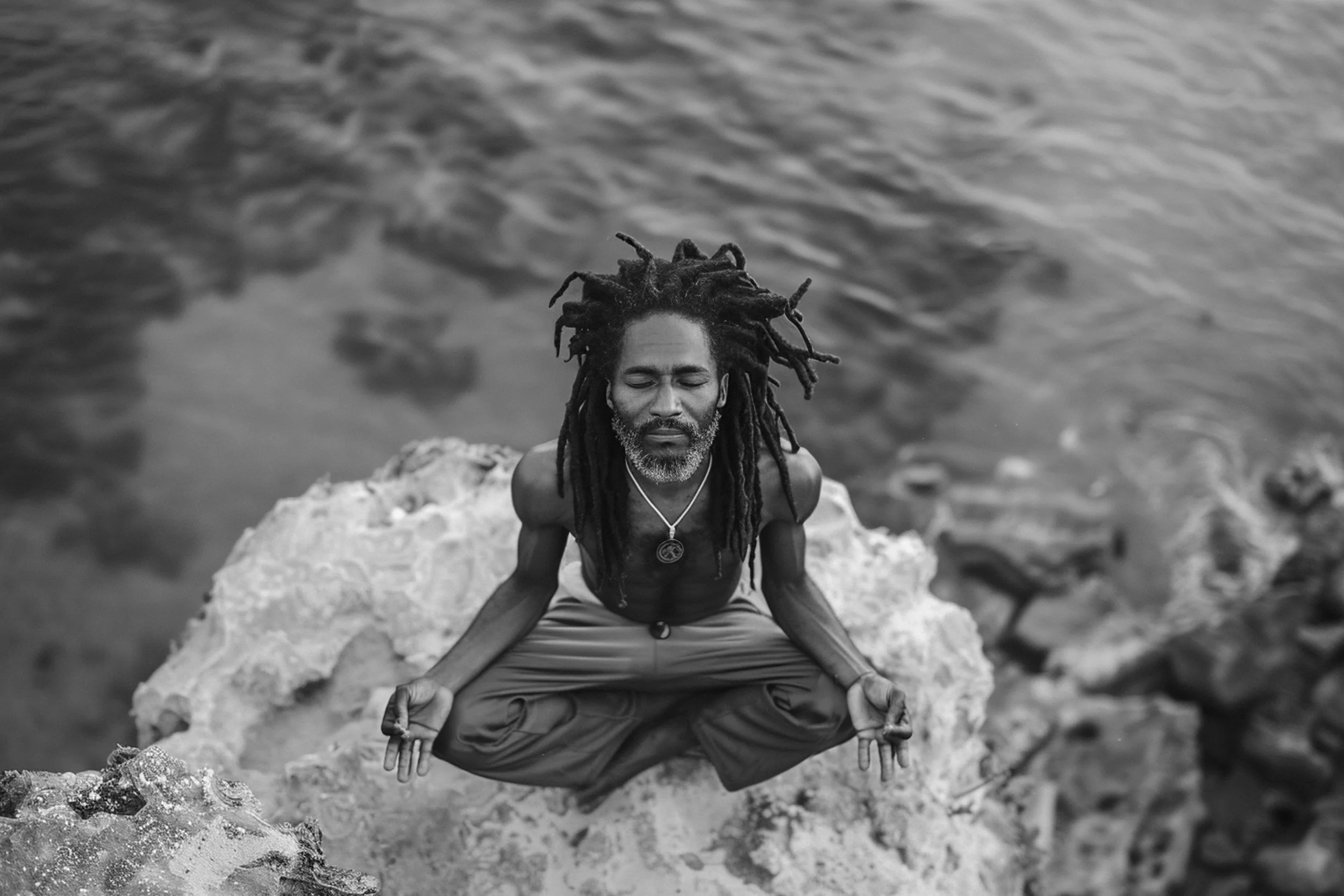
The spiritual awakening process is typically gradual rather than a single “lightning bolt” moment. Think of it less like flipping a switch and more like the slow brightening of dawn. You may experience phases of remarkable clarity followed by periods of confusion or doubt. This ebb and flow is completely normal and part of how spiritual growth actually works.
The process often begins with a subtle shift in perspective. Everyday life starts feeling somehow “off” or too shallow. Conversations that once satisfied you now feel empty. Success markers that society celebrates begin losing their grip. Deeper questions start arising: Who am I beyond my job title? What actually matters? Why do I feel disconnected from my own life?
Several key elements characterize this inner journey:
Increased emotional awareness: You notice feelings more acutely, including ones you’ve suppressed
Questioning old patterns: Beliefs and habits that once felt automatic now seem questionable
Beginning to let go of rigid ego identity: The need to defend a fixed self-image starts loosening
This process can be triggered by various catalysts. Some people experience a life changing event—loss of a loved one, serious illness, a near death experience, or a personal crisis that shatters their normal reality. Others find the shift comes through quieter means: consistent meditation practices, extended time in nature, deep conversations, or simply reaching a point where the old way of living no longer works.
While books, teachers, and spiritual practices can guide you, the process ultimately unfolds from within. Your spiritual path is unique in speed, intensity, and expression. Some people move quickly through initial stages; others take years to integrate what they’re experiencing. Neither approach is superior—each person’s journey reflects their own way of growing.
Signs of Spiritual Awakening

This section covers practical signs and symptoms to help you sense whether you might be experiencing a spiritual awakening. Think of these as gentle pointers for self-reflection rather than a diagnostic checklist.
Increased Self-Awareness
You begin observing your own thoughts as if watching them from a slight distance. Instead of being completely identified with every passing idea or emotion, you notice a constant stream of mental activity and recognize that you are the one observing it. This shift from being your thoughts to watching your thoughts marks heightened awareness.
Stronger Intuition
Increased intuition shows up as inner nudges or gut feelings that guide decisions. You might sense something about a situation before logical evidence confirms it. These intuitive hits become more frequent and harder to ignore.
Deep Desire for Meaning and Authenticity
A persistent longing for purpose emerges. Surface-level achievements stop satisfying you. You crave work, relationships, and activities that feel genuinely meaningful rather than simply successful by external standards. Existential questioning becomes common.
Feeling More Present
The present moment becomes more vivid. You notice details you previously overlooked—the quality of light, sounds around you, sensations in your physical body. Time spent ruminating about past or future decreases as presence increases.
Heightened Sensitivity to Energy and Emotions
You become more sensitive to environments, people’s moods, and subtle energetic shifts. Crowded spaces might feel overwhelming. You sense when something is “off” with someone before they speak. This heightened sensitivity can be both a gift and a challenge.
Questioning Old Beliefs
Ideas you once accepted without question now require examination. Your belief system—whether religious, political, or personal—comes under internal review. This can include existential crisis moments where previously solid ground feels uncertain.
Shifting Relationships and Interests
Some relationships naturally fall away while new connections with like minded individuals form. Activities that once excited you may lose appeal. You might feel drawn to nature, solitude, or creative pursuits that support inner exploration.
Additional Signs to Note
Synchronicities and meaningful coincidences appearing more frequently
Lucid dreams or more vivid dream states
Physical symptoms like fatigue, tingling, or changes in energy levels
Feeling disconnected from your previous sense of self
Moments of unexplainable peace or inner peace amid chaos
Not everyone experiences every sign. Surveys from spiritual communities suggest roughly 70-80% of people notice self-awareness spikes first, while about 40% report initial confusion or destabilizing “ascension symptoms.” These changes can feel inspiring and disorienting at different times—both responses are valid parts of the journey.
Stages of Spiritual Awakening

The stages of spiritual awakening offer a helpful map rather than a rigid checklist. People often move back and forth between stages, and what looks like a setback is usually part of the process. Here’s a simplified four-stage framework:
Stage 1: Awareness
In this first stage, you notice something is shifting inside. Life feels different, though you may not have words for what’s changing. You feel drawn to deeper questions about existence, identity, and meaning. The individual begins sensing there’s more beneath the surface of daily life.
This stage often correlates with what some traditions call “The Call”—a pull toward existential questioning that won’t be ignored. You might pick up books on spirituality, start conversations about consciousness, or simply spend more time in quiet reflection.
Stage 2: Questioning
Here, old beliefs, values, and relationships come under examination. What once felt certain now seems uncertain. You might experience confusion, frustration, or disillusionment as familiar frameworks start crumbling.
This phase can include what’s called the dark night of the soul—a period of inner turmoil where old identities fall away before new understanding emerges. Questions multiply: What do I actually believe? Which relationships still serve me? What patterns have I been repeating unconsciously?
The questioning stage often involves confronting negative thought patterns and recognizing how your ego has shaped your perception of reality. Ego death—the dissolution of a rigid self-image—may begin here, though it continues throughout the journey.
Stage 3: Transformation
Transformation involves emotional healing, releasing old patterns, and adopting new ways of thinking, feeling, and living. Traumatic memories may surface for processing. Behaviors that no longer serve you start falling away.
During this stage, many people experience a greater sense of inner and outer worlds coming into alignment. Values clarify. Decision-making becomes more intuitive. You start living more consciously rather than reactively.
This phase often includes establishing spiritual practices—meditation, journaling, time in nature—that support ongoing growth. The transformation isn’t always comfortable, but it moves you toward a more authentic expression of your true self.
Stage 4: Integration
The final stage involves weaving spiritual insights into everyday routines, relationships, and work. Awakening becomes lived experience rather than something you only understand intellectually.
Integration means showing up to daily life—work, family members, ordinary tasks—with the awareness you’ve developed. You don’t need to escape reality to be spiritual; you bring your spiritual awareness into the reality you inhabit.
This stage represents what some traditions call Materialization—where inner transformation begins influencing how you interact with others and contribute to the world. Your entire life becomes a reflection of your inner journey.
Important to remember: These stages aren’t strictly linear. You may cycle through them multiple times, experiencing periods of questioning long after you thought you’d “moved past” that phase. Apparent setbacks are normal and often deepen the process.
What Happens During a Spiritual Awakening?

Understanding what happens during a spiritual awakening helps normalize experiences that might otherwise feel confusing or isolating. These internal shifts span mental, emotional, and energetic realms.
Mental Experiences
Some people report remarkable mental clarity—thoughts slow down, and a deep sense of peace pervades their awareness. Others experience the opposite initially: brain fog, confusion, or feeling “between worlds” as old mental frameworks dismantle.
You might find yourself feeling disconnected from previous ways of thinking. Concerns that once consumed you suddenly seem trivial. Meanwhile, questions that society rarely discusses become central to your inner life.
Emotional Shifts
Emotional intensity often increases. Waves of grief may surface as you process old wounds or release suppressed pain. Joy can arise unexpectedly. Compassion for others—and yourself—may deepen significantly.
This emotional processing resembles what happens in trauma therapy: old material surfaces for healing. The difference is that spiritual awakening often initiates this process naturally, without formal therapeutic intervention (though therapy can be valuable support).
Many symptoms of emotional upheaval are actually signs of healing in progress. Your psyche is reorganizing itself around a new reality—one that includes more honesty about who you are and what you’ve experienced.
Increased Mindfulness
A stronger pull toward presence emerges. You might feel drawn to meditation practices, prayer, journaling, or simply sitting quietly. Activities that once felt like “wasting time” now feel essential.
Research from Harvard and other institutions shows that consistent mindfulness practice actually changes brain structure—reducing amygdala reactivity (associated with fear responses) and increasing prefrontal cortex activity (associated with emotional regulation). These physical brain changes support the subjective experience of greater calm and clarity.
Energetic Experiences
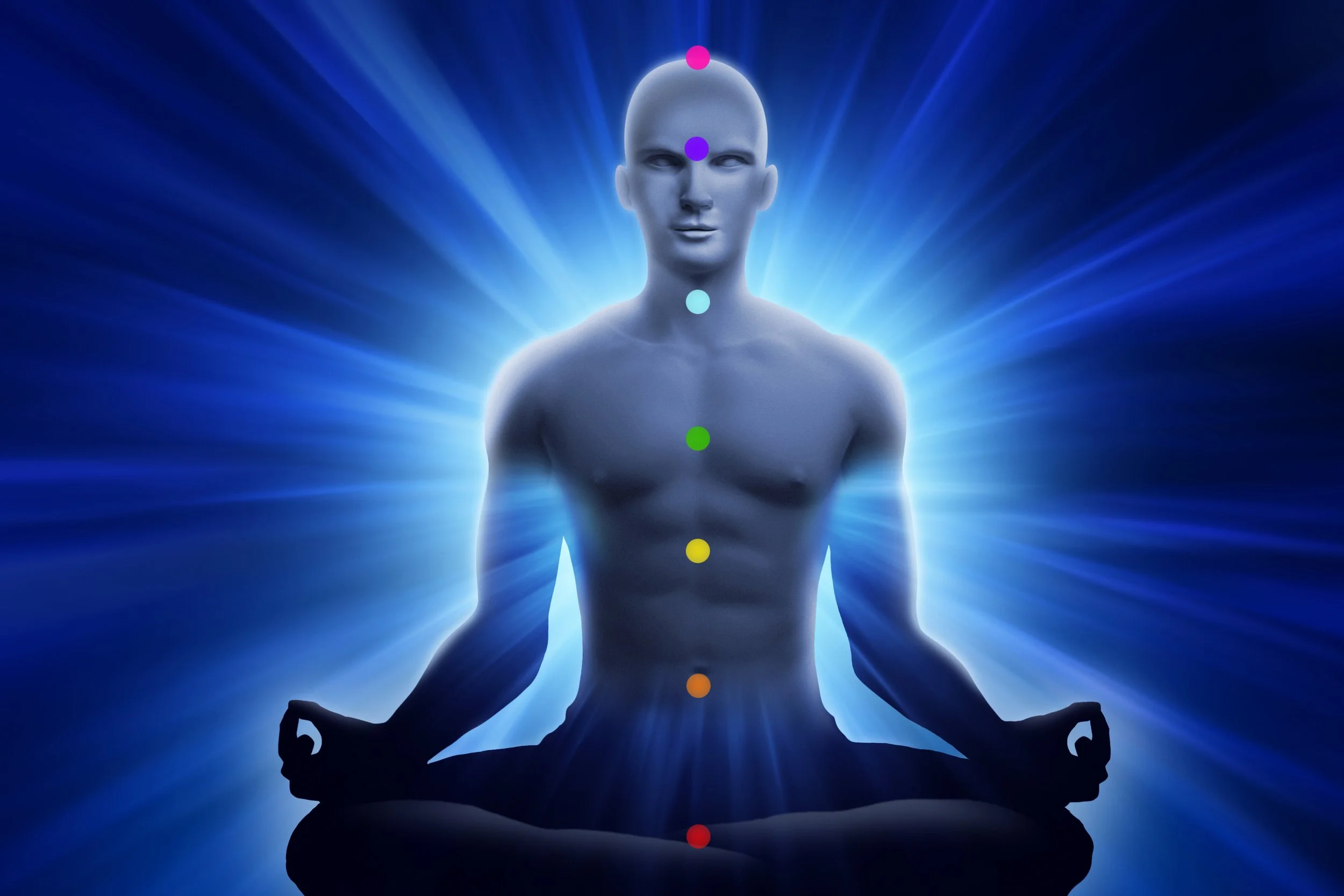
Subtle energetic shifts sometimes occur: tingling sensations, warmth moving through the body, or feelings of expansion beyond physical boundaries. Some traditions describe these as kundalini activation or chakra openings.
A word of caution: while many physical symptoms are harmless aspects of spiritual transformation, some can overlap with medical conditions. If you experience concerning physical symptoms—persistent pain, severe fatigue, neurological changes—consult a healthcare professional rather than assuming everything is “just spiritual.”
Ebb and Flow
Intense phases of spiritual awakening feel like being swept into another world. But these periods typically ebb and flow. Grounding activities—regular exercise, maintaining routines, spending time with supportive people—help balance the process.
The long period of awakening isn’t constant intensity. Normal life continues alongside inner transformation. You still do laundry, pay bills, and navigate ordinary challenges. The difference is the awareness you bring to these activities.
Spiritual Awakening and Personal Growth

Spiritual awakening and personal growth intertwine naturally. Greater self-awareness leads to changes in behavior, choices, and relationships without requiring forced effort.
Developing Emotional Intelligence
As you observe your patterns more clearly, emotional intelligence grows. You recognize when you’re reacting from old wounds versus responding from present-moment clarity. Communication becomes more honest because you’re more honest with yourself.
Taking responsibility for your reactions becomes possible when you see the space between stimulus and response. This doesn’t mean suppressing emotions—it means experiencing them fully while choosing how to act.
Discovering Purpose
A clearer sense of life purpose often emerges over time, though it may start as a vague longing. You know you want to live more truthfully and meaningfully, even if specific directions haven’t crystallized.
This purpose isn’t necessarily a career change or dramatic life overhaul. For some, it means bringing more presence to existing roles. For others, it involves gradual shifts in work, relationships, or lifestyle that align with inner truth.
Long-Term Benefits
Research on contemplative practices shows sustained benefits over time:
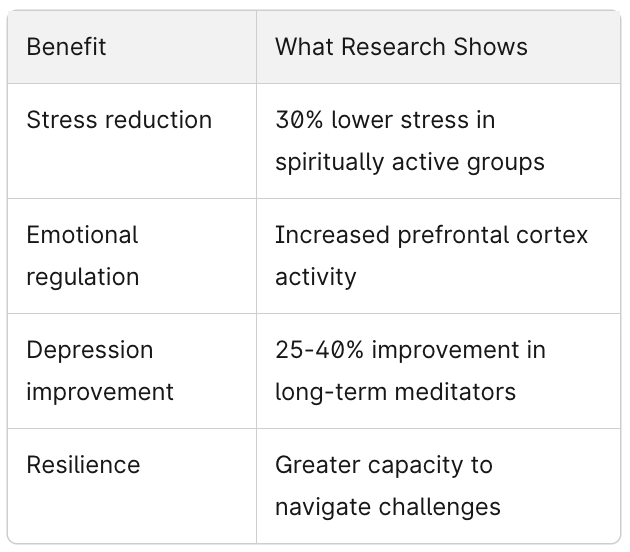
These benefits compound over months and years of consistent spiritual practice. Personal transformation isn’t a sudden change but an ongoing process of becoming more fully yourself.
Realistic Expectations
Awakening doesn’t make you perfect or exempt from human struggles. You’ll still experience difficult emotions, make mistakes, and face challenges. The difference is how you relate to these experiences—with more awareness, compassion, and choice.
Teachers like Tara Brach warn against idealizing awakening. Ongoing human struggles are part of the journey, not signs of failure. Spiritual evolution includes integrating all aspects of human experience, not transcending them.
How to Start a Spiritual Awakening Journey

This section offers gentle guidance for beginning a spiritual awakening journey. Think of these as options to explore rather than strict rules to follow. There are many paths to awakening, and yours will unfold in its own way.
Simple Daily Practices
Start with accessible practices that don’t require special equipment or extensive training:
Mindfulness or breath awareness: 5-10 minutes daily of simply noticing your breath and present-moment sensations
Reflection journaling: Writing responses to prompts like “What beliefs no longer serve me?” or “What truly matters to me?”
Silent time in nature: Walking without headphones, simply observing the world around you
Body scans: Lying down and slowly moving attention through your physical body, noticing sensations without judgment
These practices build spiritual awareness gradually. Consistency matters more than duration—five minutes daily creates more change than occasional hour-long sessions.
Developing Intuition and Inner Listening
Intuition strengthens through attention. Start noticing gut feelings, hunches, and inner nudges without immediately dismissing them. You don’t have to act on every intuition, but paying attention helps you recognize genuine inner guidance.
Self enquiry—asking honest questions and listening for inner responses—supports this development. Questions like “What am I avoiding?” or “What does my deeper self want?” invite wisdom from beyond ordinary thinking.
Developing Intuition and Inner Listening
Intuition strengthens through attention. Start noticing gut feelings, hunches, and inner nudges without immediately dismissing them. You don’t have to act on every intuition, but paying attention helps you recognize genuine inner guidance.
Self enquiry—asking honest questions and listening for inner responses—supports this development. Questions like “What am I avoiding?” or “What does my deeper self want?” invite wisdom from beyond ordinary thinking.
Finding Support
The spiritual journey can feel isolating, especially when people around you don’t share your interests. Seeking supportive community helps normalize your experiences and provides guidance.
Options include:
Meditation apps with community features (Insight Timer has millions of users)
Local meditation or spirituality groups
Online forums and communities focused on spiritual growth
Books by respected teachers
Spirit guides in the form of mentors, teachers, or counselors
Honoring Your Own Path
There is no single “correct” approach. What works for one person may not resonate with another. Some find awakening through meditation; others through nature, art, service, or sudden change in life circumstances.
The goal isn’t ticking off a spiritual checklist. It’s sincere self-inquiry and openness to what arises. Trust that your spiritual life will unfold in its own way, at its own pace.
Start slowly. Stay curious. Let your new reality emerge naturally rather than forcing transformation according to someone else’s timeline.
Common Misconceptions About Spiritual Awakening
Clarifying common myths helps ground your journey and prevents unrealistic expectations that lead to frustration or spiritual bypassing.
Misconception: It’s Instant Enlightenment
Spiritual awakening is not a sudden arrival at permanent bliss. It’s an ongoing process with challenges, difficult emotions, and periods of confusion. The night of the soul—those dark periods of inner struggle—doesn’t disappear once you’ve “awakened.” Awareness grows, but human experience continues.
Expecting instant transformation sets you up for disappointment. Real spiritual growth happens over a long period, often with two steps forward and one step back.
Misconception: You Must Follow a Specific Religion or Guru
Awakening can unfold within religious traditions or completely outside them. You don’t need to convert to anything, follow a particular teacher, or adopt specific beliefs. Many people experience spiritual awakening while remaining atheist, agnostic, or casually religious.
Your own path is valid regardless of what traditions or teachers you draw from (or don’t). Spirituality describes inner experience, not external affiliation.
Misconception: Awakened People Are Superior
A genuine spiritual awakening humbles rather than inflates. If someone claims awakening makes them better or more special than others, that’s often ego wearing spiritual clothing.
Awareness reveals shared humanity, not personal superiority. The more deeply you see into your own patterns, the more compassion you develop for others struggling with theirs.
Misconception: Awakening Means Escaping Responsibilities
Some people imagine spiritual awakening as an escape from work, relationships, and ordinary life. In reality, it’s the opposite. Awakening enhances clarity for meeting responsibilities with more presence and compassion.
You still navigate work stress, family members with different views, financial pressures, and mundane tasks. The difference is bringing conscious awareness to these experiences rather than sleepwalking through them.
Awakened individuals still deal with difficult emotions, challenging relationships, and real-world problems. They simply relate to these challenges differently—with more space, choice, and perspective.
Misconception: You’ll Always Feel Good
Some new reality emerges during awakening, but it’s not perpetual happiness. You’ll still experience sadness, frustration, fear, and anger. These emotions become more workable, not absent.
Expecting constant positivity often leads to spiritual bypassing—using spiritual concepts to avoid dealing with unresolved trauma or difficult feelings. Genuine awakening includes all emotions, not just pleasant ones.
Conclusion

The true meaning of spiritual awakening comes down to this: an ongoing process of expanding awareness, deepening self-knowledge, and connecting to a reality larger than your individual concerns. It’s waking up to your true nature—not the roles you play or the thoughts that pass through your mind, but the awareness that observes all of it.
This journey has no finish line. Each person’s path, pace, and mystical experiences differ. What matters isn’t reaching some final stage but continuing to grow, question, and integrate what you learn into how you actually live.
The themes we’ve explored—personal growth, self-awareness, consciousness expansion, spiritual insights—emerge naturally from sincere inner work. They’re not achievements to chase but byproducts of honest engagement with your own experience.
Approach your spiritual journey with curiosity rather than urgency. Practice patience with yourself when the process feels slow or confusing. Remember that feeling lost sometimes is part of finding your way. The entire life you live can become an expression of awakening—not just meditation cushion moments, but how you treat people, make decisions, and show up to ordinary days.
Begin where you are. Trust what’s unfolding. Your inner journey is already underway.
Frequently Asked Questions (FAQ) About Spiritual Awakenings

What is spiritual awakening in simple terms?
Spiritual awakening is waking up to who you really are beyond your roles, habits, and automatic reactions. It’s beginning to see life with more clarity, meaning, and connection—noticing that you’re the awareness observing your thoughts rather than being completely lost in them. This differs from simply “being religious.” Awakening focuses on inner awareness and direct experience rather than external labels or beliefs.
How do you know if you are spiritually awakening?
Practical indicators include: observing your thoughts rather than being completely identified with them; questioning beliefs you once accepted automatically; craving authenticity and deeper meaning; feeling more sensitive or intuitive; noticing synchronicities; and feeling drawn to presence-based practices.
Having one or two of these signs occasionally doesn’t “prove” anything—it’s the overall pattern and gradual shift that matters. Use these as gentle pointers for self-reflection rather than a diagnosis. The experience is highly individual.
Is spiritual awakening the same as enlightenment?
Many traditions see spiritual enlightenment as a more mature, stable realization, while spiritual awakening often describes the beginning or middle of that journey. In everyday language, people frequently mix the terms.
This article treats awakening as an unfolding process rather than a final, flawless state. You can be awakening without being “enlightened” in the traditional sense. Definitions vary significantly across philosophies and religions, so hold these distinctions lightly.
Can anyone experience a spiritual awakening?
In most contemporary perspectives, any human being can experience some form of spiritual awakening regardless of background, culture, or belief system. There’s no age requirement, special status, or prerequisite needed. Shifts in awareness happen in ordinary lives and careers, not just monasteries or retreats.
Small, sincere steps—reflection, mindfulness, honest self-inquiry—can nurture this potential over time. Spiritual seekers come from all walks of life, and your ordinary existence is valid ground for transformation.
Does spiritual awakening mean you have to change your whole life?
While values, relationships, or work may gradually shift, awakening doesn’t necessarily demand sudden, dramatic life changes. Many people integrate spiritual insights into existing roles—family, career, community—adjusting them rather than abandoning everything.
Encourage slow, thoughtful changes aligned with inner truth rather than impulsive decisions made during emotional highs or lows. The outer worlds of your life may evolve naturally as your inner awareness deepens, but this typically happens gradually rather than through radical overnight transformation.